Applied Research in Immersive Cultural Technology

We are a specialist VR application development company built around one proposition: that the best immersive cultural experiences are produced through rigorous methodology, not intuition.

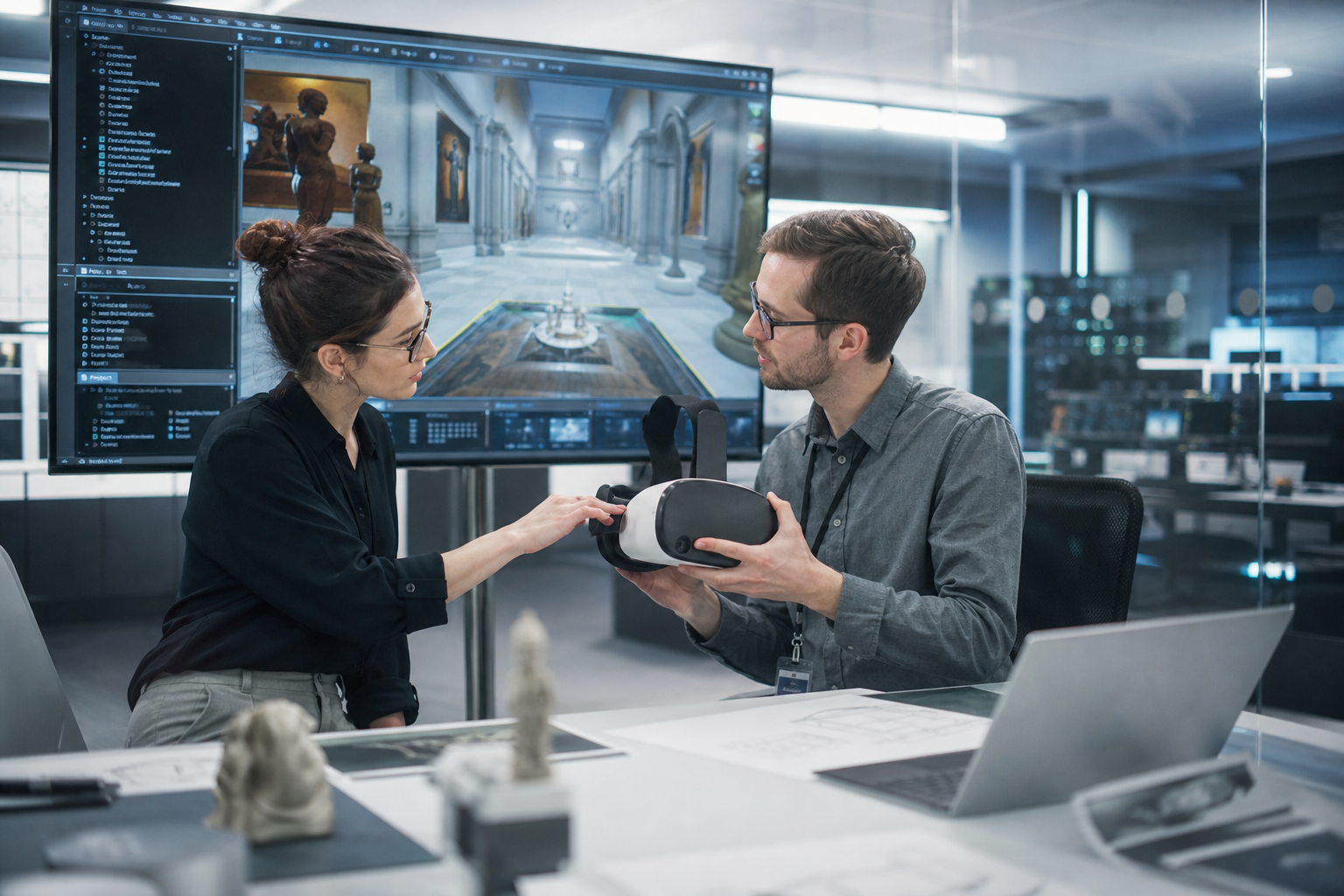
RUNIX DATA development team examining VR headsets in a professional workspace

Who We Are and What We Have Built

RUNIX DATA LTD was established to address a clear gap between cultural institutions' digitisation ambitions and their ability to deliver genuinely immersive visitor experiences. We observed that most VR content in the heritage sector was produced without adequate testing protocols, failing visitors at the point of experience through performance issues, unclear navigation and underdeveloped content layers.

Our response was to apply the discipline of structured software development to the problem of cultural immersion. We defined a methodology that treats every VR application as a tested experiment: variables identified, methods selected, outcomes measured. That methodology has since governed every project we have delivered.

We are based in Tunbridge Wells, Kent, and work with museums, heritage estates, visitor attractions, local authorities and cultural trusts across the United Kingdom. Our applications have served over 120,000 virtual visitors to date and are deployed across headset, mobile and web platforms.

We do not operate as a generalist digital agency with a VR division. Immersive cultural experience development is our specific area of practice and the only type of work we accept. This focus means our methods are refined, our knowledge is deep and our results are consistently reliable.
Method Before Medium
We select technology to serve a defined outcome, not because it is current. Every decision is justified by a client need, not a technical preference.
Documented at Every Stage
All work is governed by written specifications, review records and signed-off deliverables. Clients are never asked to accept work without a structured evaluation process.
Cultural Knowledge, Technical Depth
Our team combines heritage sector understanding with technical VR development competence. We speak both languages, which removes friction from every client relationship.

How RUNIX DATA Approaches Every Project

Our development methodology is derived from applied software engineering practice, adapted to the specific requirements of immersive cultural content. Every engagement begins with a problem definition, not a technology selection. We document the client's institutional context, collection assets, audience characteristics and technical constraints before any build decision is made.

From that foundation, we map the appropriate method: the technology stack, the interaction architecture, the content structure and the delivery format. We then build in defined sprints with structured client review at each milestone, rather than producing a final product in isolation and presenting it at project end.

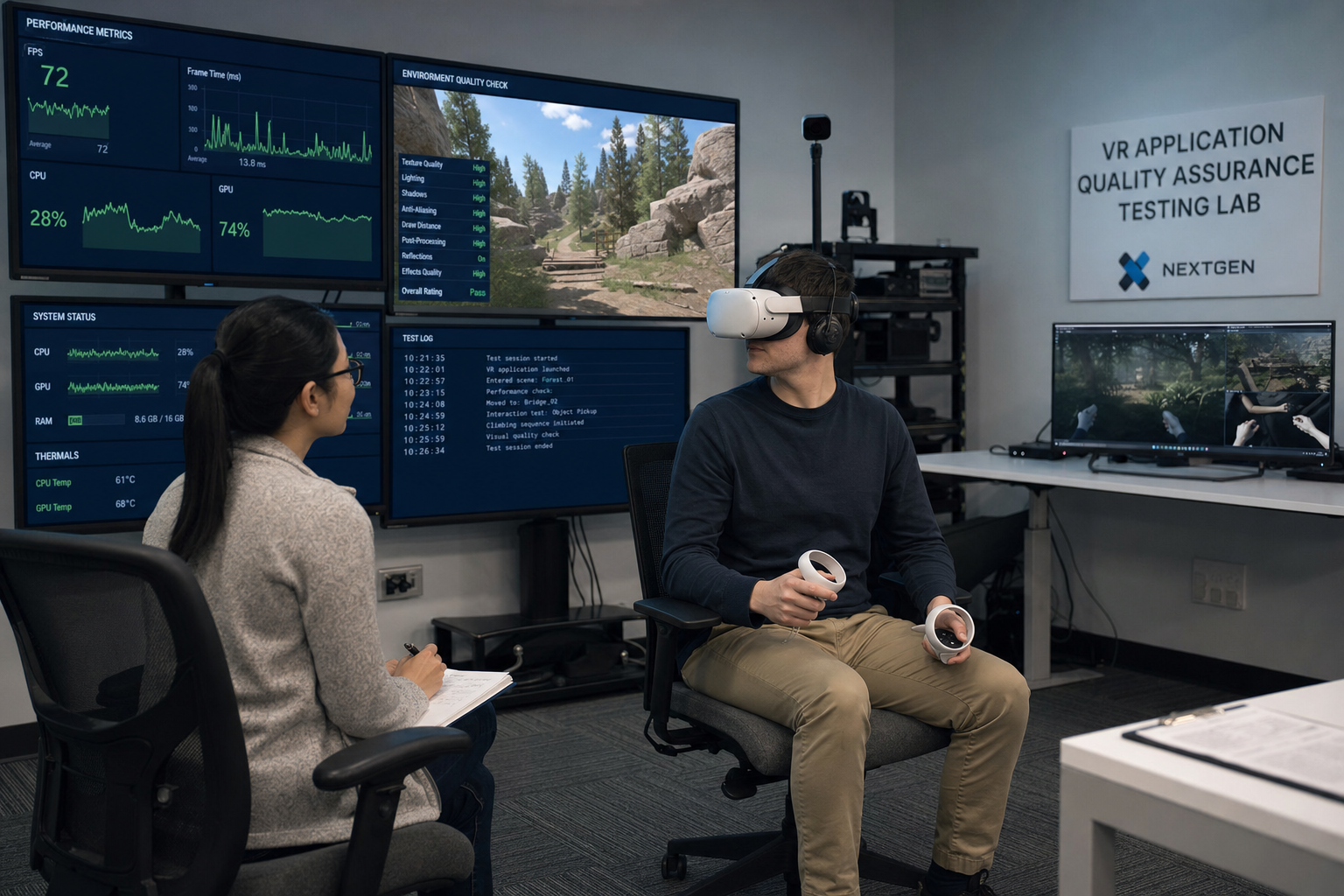
Quality assurance is applied systematically before any deployment. This includes cross-device performance testing, content accuracy review with institutional curators, interaction reliability testing and load evaluation. Nothing is released without documented confirmation that it meets the agreed specification.

Post-deployment, we provide a defined support period and, where requested, ongoing analytics and optimisation services. We treat post-launch as part of the project, not an afterthought. Our goal is not to deliver and move on. It is to deliver something that performs reliably over time and improves with each data cycle.

What Clients Can Rely On

Working with RUNIX DATA means engaging with a defined service structure, not a bespoke process invented for each client. Our standards are consistent because they are documented, trained and reviewed as part of our operational practice.

We maintain clear communication protocols: a named project lead for every engagement, defined response times for review feedback, a scheduled check-in structure throughout build phases and a formal sign-off mechanism at each project milestone.

All intellectual property produced in the course of an engagement is licensed to the client upon final payment, with clear contractual terms governing usage rights. We do not retain licensing hooks in our deliverables. Once a project is complete and settled, the institution owns the work outright.

STANDARD — 01
2 Business Day Response
Guaranteed initial response to all new project enquiries
STANDARD — 02
Weekly Sprint Reports
Progress updates sent to client at each development sprint close
STANDARD — 03
Full IP Transfer
All code, assets and documentation licensed to client on delivery
STANDARD — 04
30-Day Support Period
Post-launch technical support included with all project deliveries

The People Behind the Method

A small, focused team with deep combined experience in VR development, heritage documentation, spatial design and digital product delivery.

RUNIX DATA development team working on VR museum environment
VR Development Team
Core Engineering / Spatial Build

Responsible for scene architecture, interaction systems and cross-platform performance across all active applications.

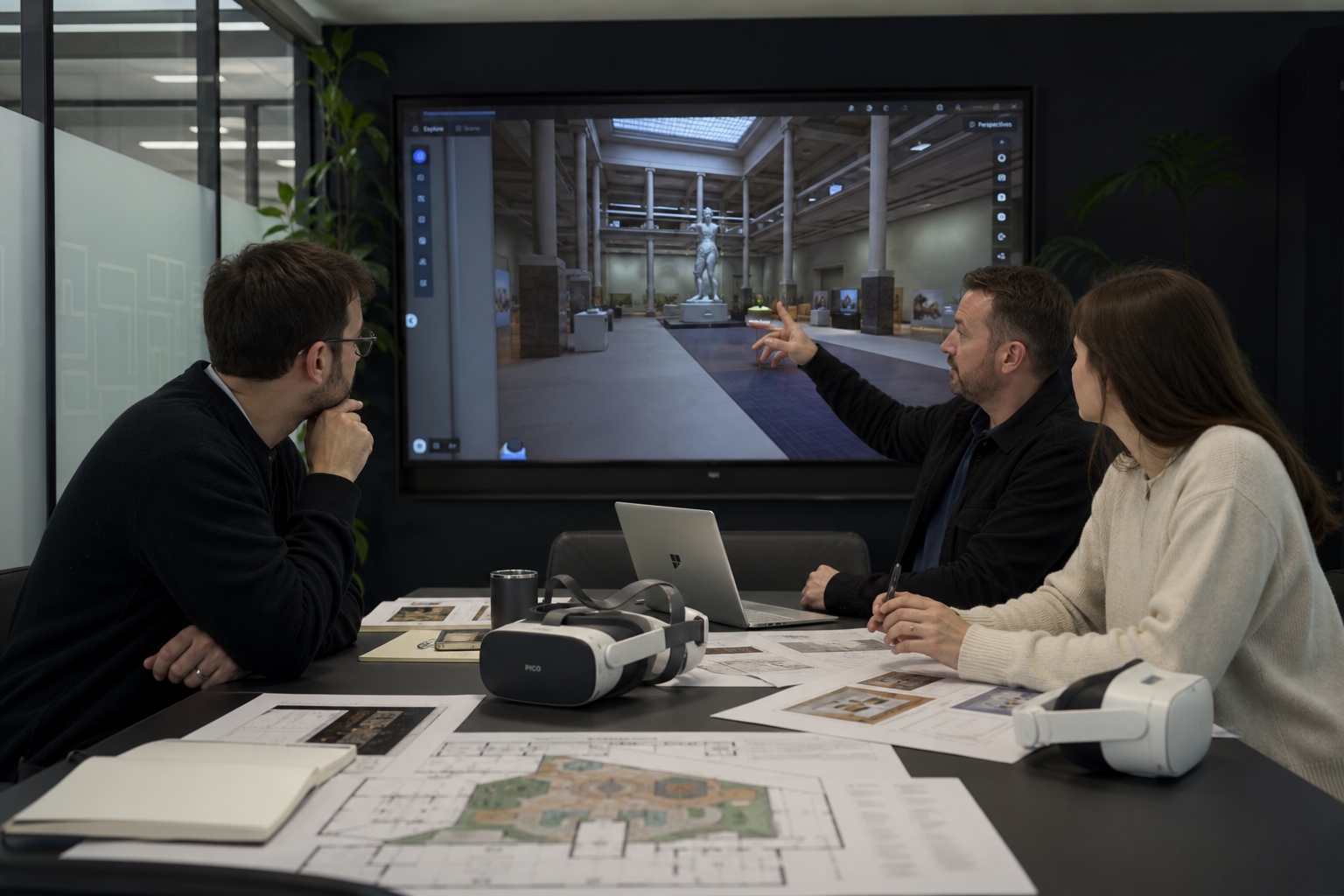
Content and design team reviewing VR museum experience layouts
Content & Design Group
Experience Design / Narrative Architecture

Manages spatial narrative mapping, interaction scripting, audio production and curator-facing content review cycles.

QA and testing team validating VR application performance
Quality & Delivery Group
QA / Project Delivery / Analytics

Oversees all QA cycles, client review processes, deployment coordination and post-launch performance monitoring.

Bring Your Institution's Collection into Virtual Space

Whether you are at the briefing stage or ready to begin immediately, we would welcome the opportunity to review your project. Submit a brief and we will respond within two working days.