EXP-001 / VR CULTURAL ACCESS PLATFORM

Immersive Experiences.
Engineered for
Cultural Access.

RUNIX DATA LTD develops custom VR tour applications for museums, heritage sites and visitor attractions. We apply structured development protocols to produce validated, production-ready immersive environments.

Active Experiment: VR Cultural Experience Protocol
Hypothesis
Digital immersion fundamentally changes how audiences engage with physical heritage and cultural collections
Method
Custom VR application development with iterative testing, client review cycles and documented quality protocols
Outcome
Deployed experiences that expand visitor reach, deepen engagement and deliver measurable attendance impact
VR Development Heritage Digitisation Platform Integration Experience Design
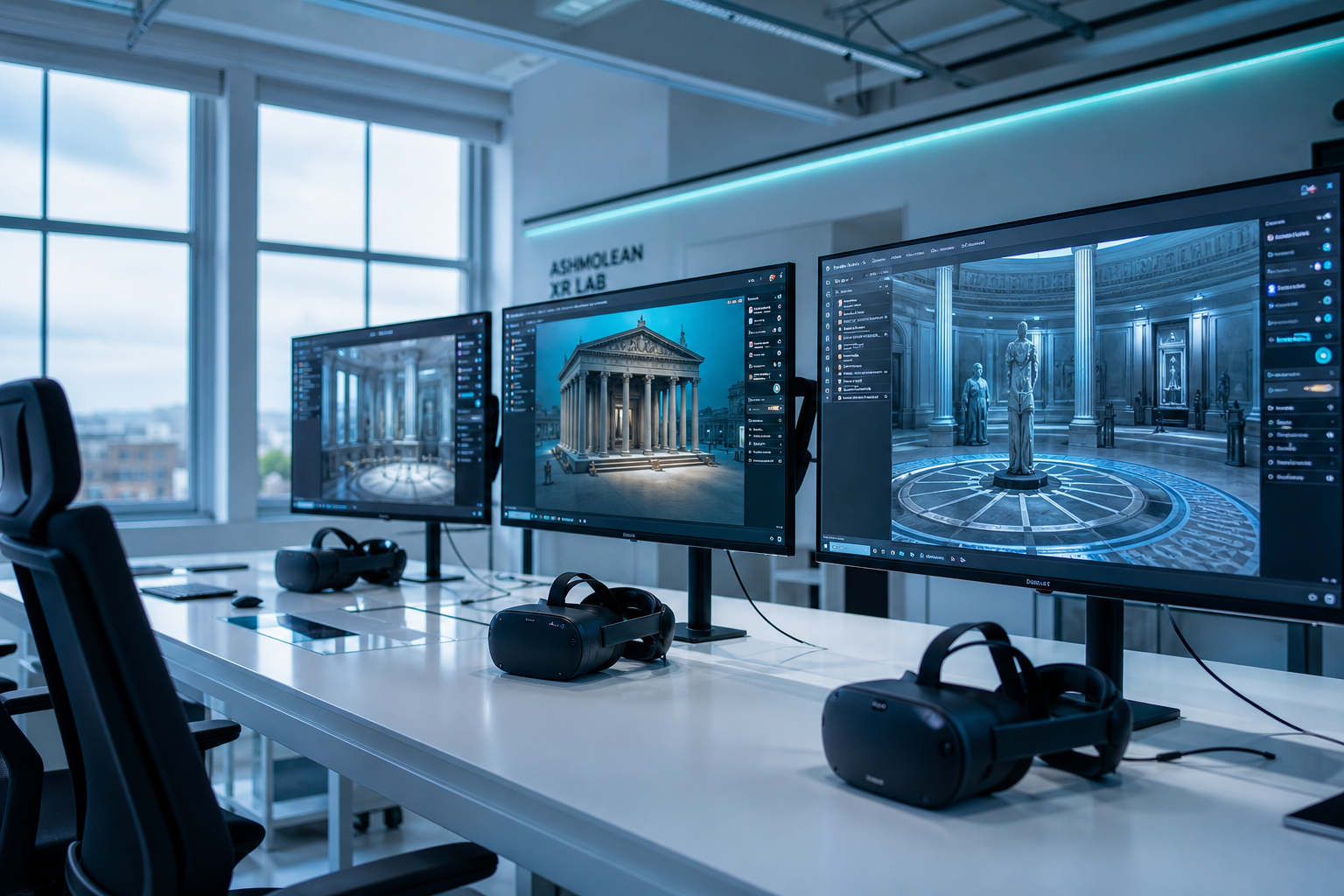
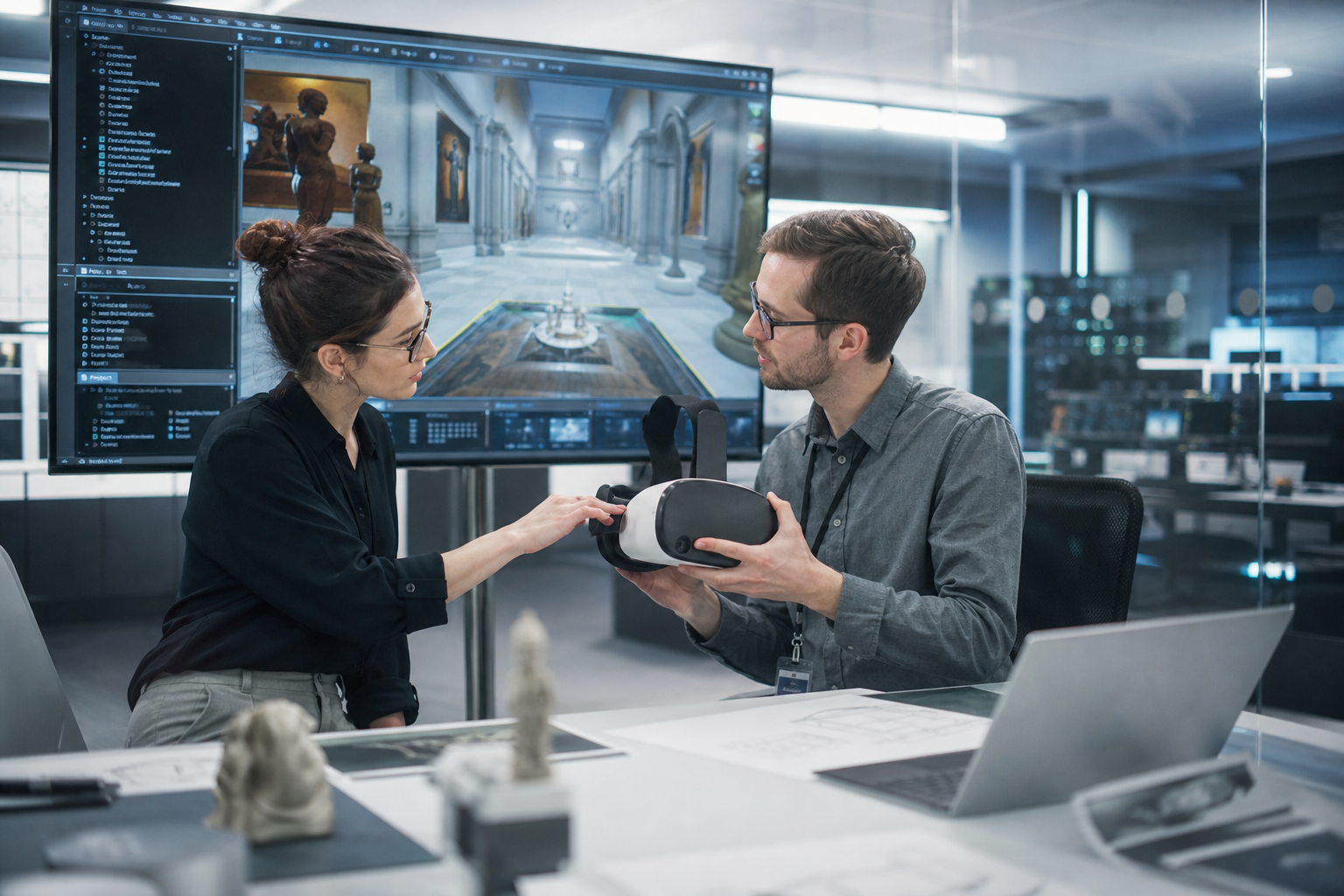
RUNIX DATA VR development laboratory with multiple screens showing museum virtual environments
0+
Applications Deployed

Problems We Are Designed to Solve

Each engagement begins with a clearly defined problem. We map client conditions to tested methods and document every practical outcome.

Explore Methods
SAMPLE — HYP-01
Observed Condition
Visitors engage with collections passively, missing interpretive depth and contextual information.
Tested Response
Interactive VR layers that surface interpretive content, object histories and curatorial notes at each viewpoint.
Sustained engagement and measurable knowledge retention
SAMPLE — HYP-02
Observed Condition
Physical access constraints limit who can experience heritage sites and significant cultural spaces.
Tested Response
Remote virtual twin deployments, fully navigable from any device, without geographic constraint.
Expanded global audience beyond physical limitations
SAMPLE — HYP-03
Observed Condition
Heritage sites and fragile artefacts face irreversible risk of degradation or access restriction.
Tested Response
High-fidelity digital preservation protocols producing photogrammetric records with archival-grade output.
Permanent accessible digital record that survives physical constraints
SAMPLE — HYP-04
Observed Condition
Generic visitor applications fail to hold attention, deliver value or encourage return visits.
Tested Response
Custom-built immersive tour applications designed around the specific collection, narrative and audience.
Higher satisfaction scores and demonstrable visitor return rates
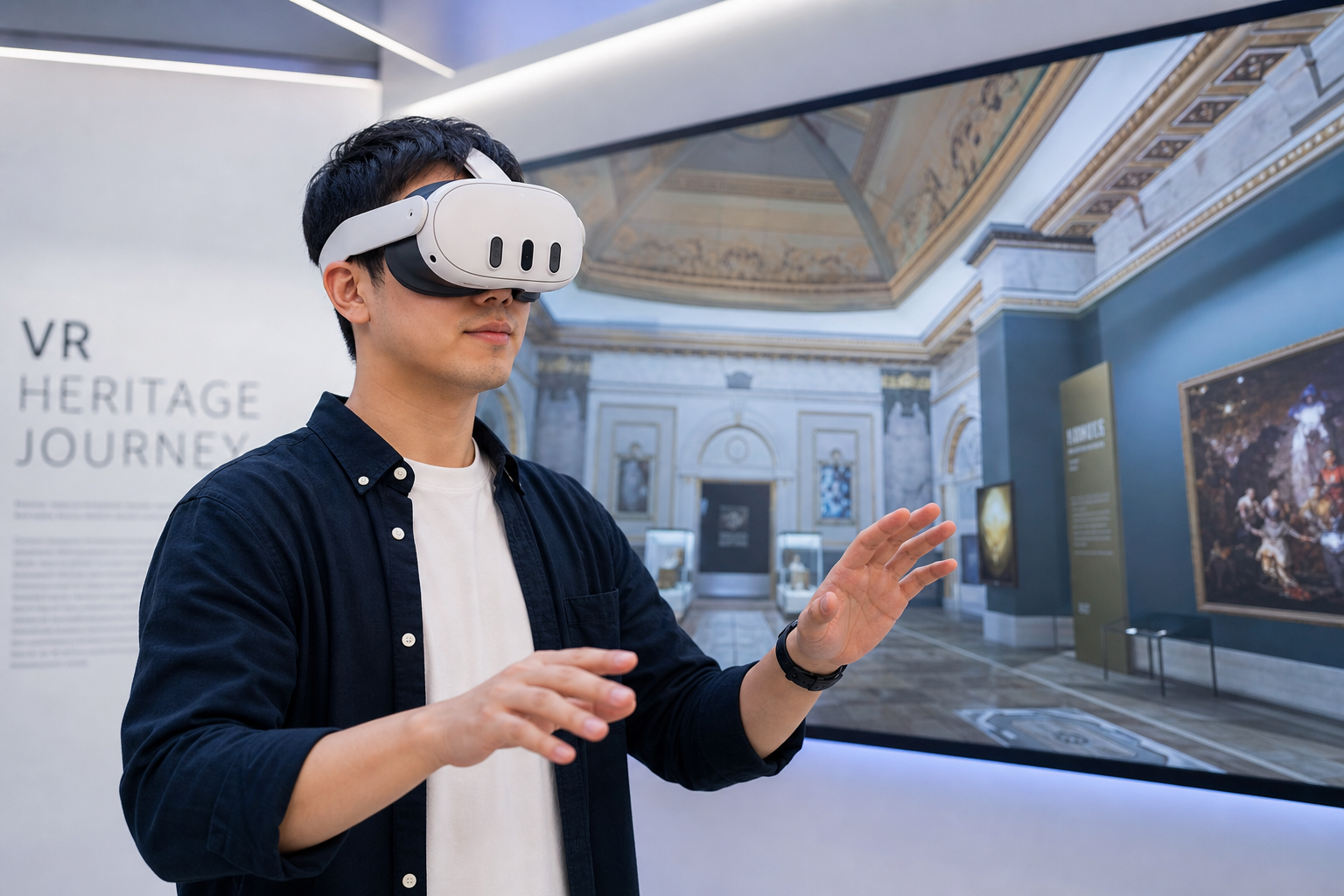
RUNIX DATA development team reviewing VR museum environment with headsets and screens
QA
Validated Build

A Development Standard Built for Deployment

Our methods are designed around one principle: the experience must work reliably in the field, not only in the development environment. Every application we produce passes through a documented review cycle before client handover.

We work with museum professionals, collections managers, attraction operators and heritage consultants to ensure each virtual environment is accurate, appropriately licensed and technically stable.

Site survey and content audit before build commences
PRE-BUILD
UX architecture and narrative flow design
DESIGN
Iterative development sprints with client review cycles
BUILD
Cross-device QA testing and performance benchmarking
TESTING
Documented handover with technical support period
DELIVERY
View All Services

Validated Applications in the Field

Selected case studies demonstrating applied methods, measured outcomes and deployed virtual experiences across cultural and heritage sectors.

All Results
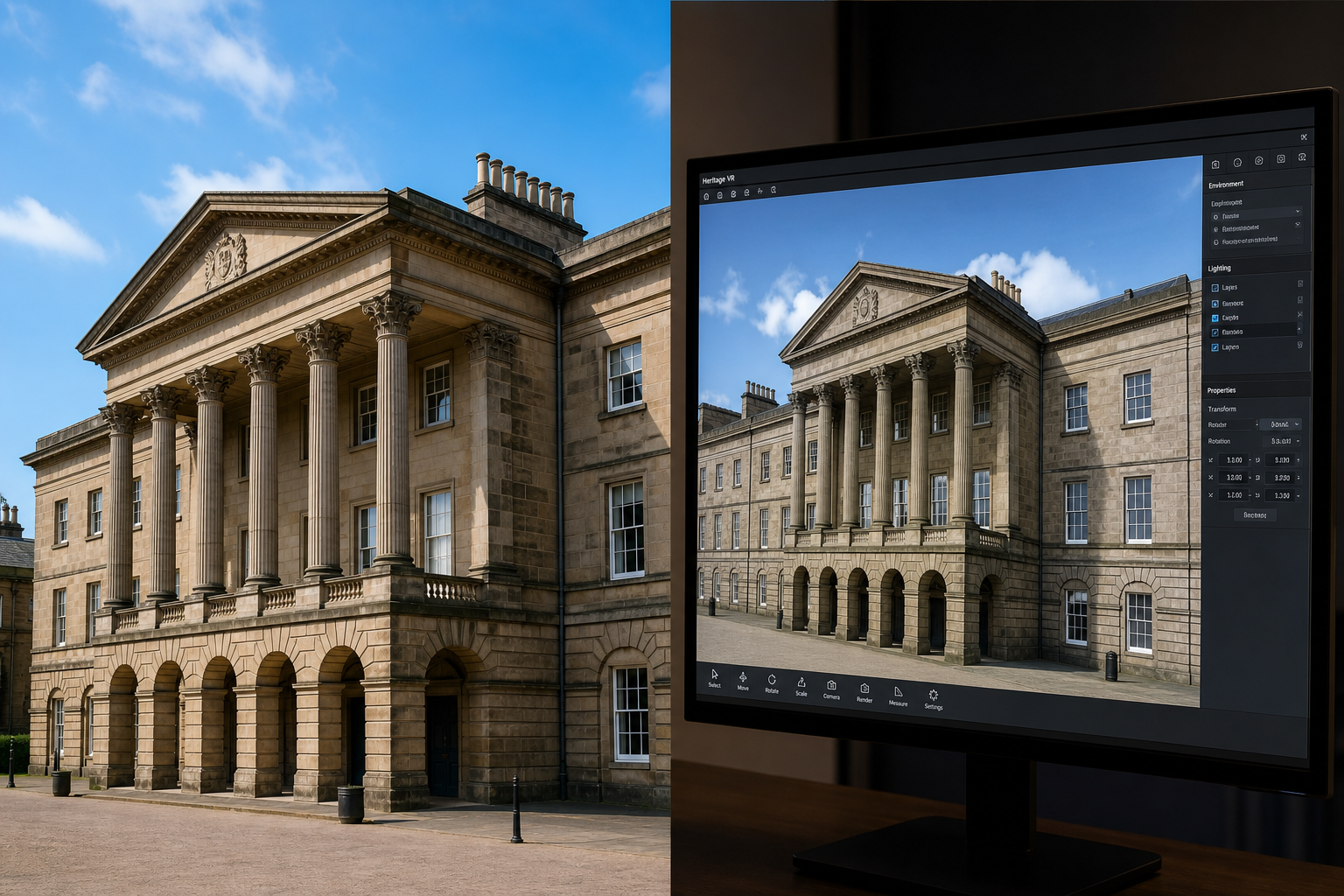
Historic manor house alongside its VR digital recreation
EXP-RESULT-002 HERITAGE
Victorian Manor Digital Twin

Complete 3D digital twin of a Victorian manor open to virtual visitors year-round, bridging seasonal physical access.

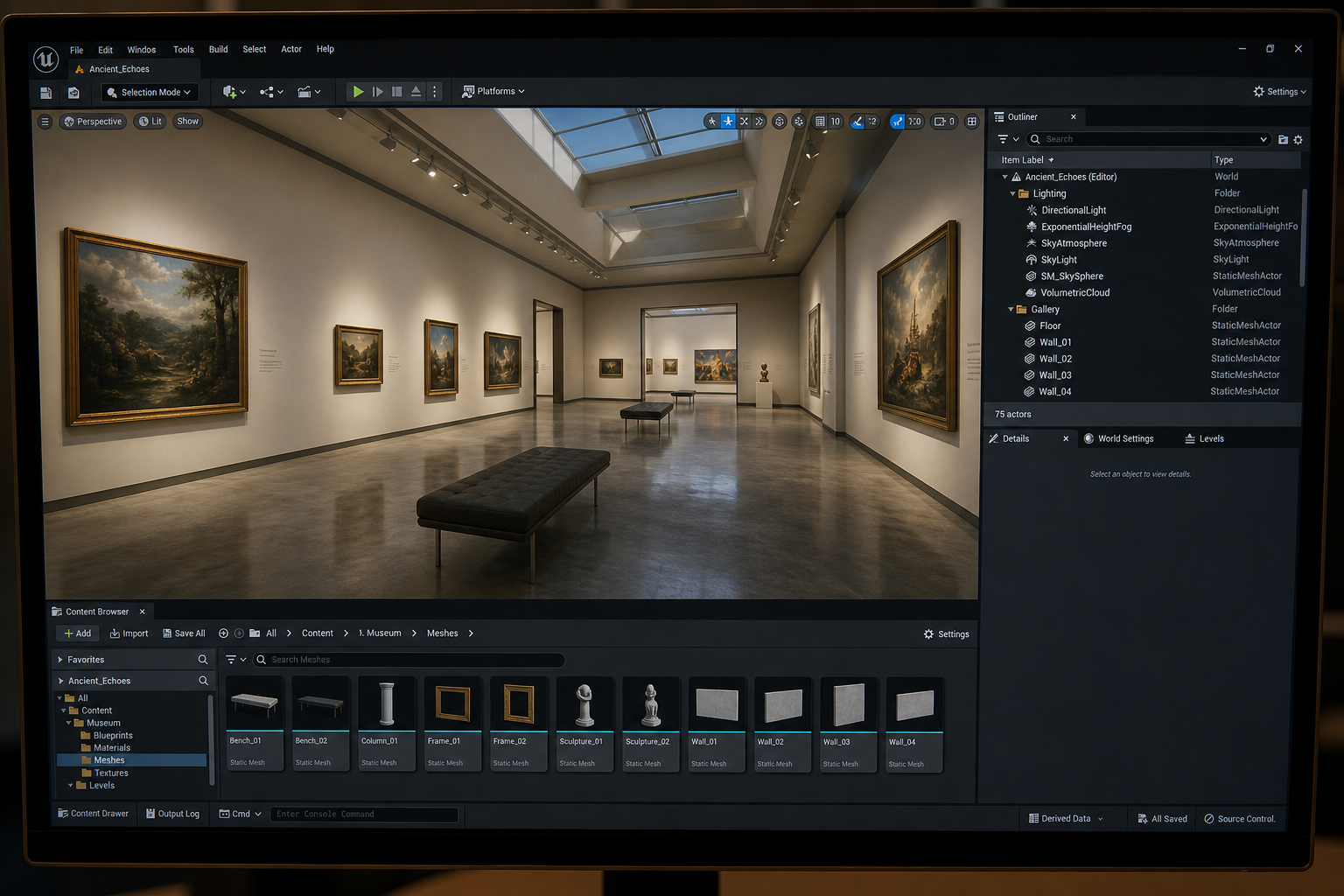
Virtual museum gallery environment in VR development tool
EXP-RESULT-003 MUSEUM
Science Collection Walkthrough

Interactive VR walkthrough of a natural science collection with object-level zoom and multi-language audio guide.

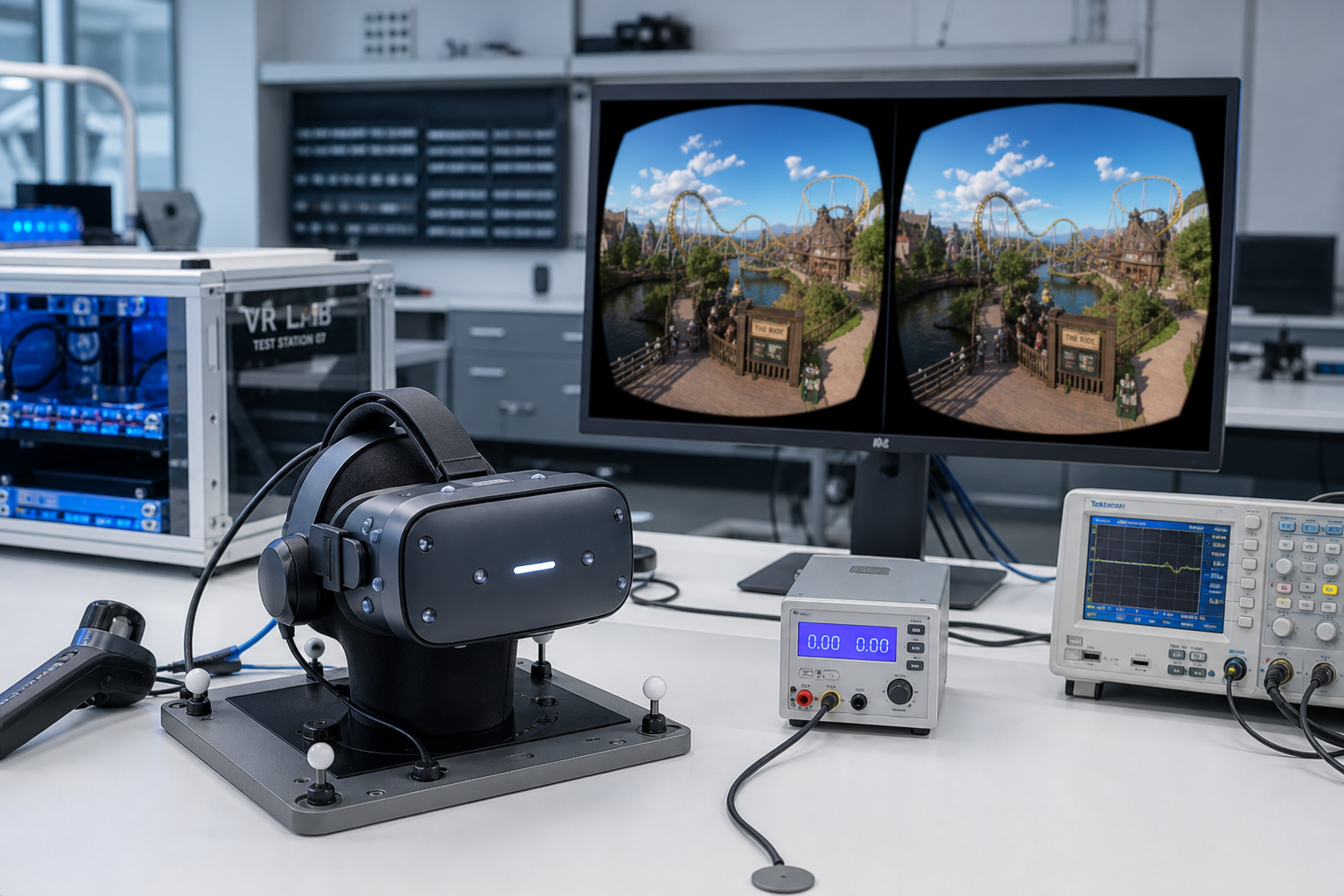
VR attraction experience in technical testing environment
EXP-RESULT-004 ATTRACTION
Visitor Attraction VR Preview

Pre-visit virtual preview experience for a major UK visitor attraction, reducing friction and increasing ticket conversion.

Most cultural institutions have digitised their collections. Very few have built experiences that genuinely transport visitors.

The gap between digital inventory and immersive access remains wide. Institutions that have invested in digitisation often hold high-resolution assets with no delivery mechanism that puts visitors meaningfully inside the space. A PDF catalogue is not an experience. A flat image gallery does not create presence.

Virtual reality, applied correctly, closes that gap. The key word is correctly. VR experiences built without rigorous content mapping, interaction architecture and cross-device testing produce frustrated visitors, not engaged ones. The technology is not the product. The validated experience is the product.

"The institutions seeing the strongest engagement results are those treating VR development as a research process — defining variables, testing methods and measuring outcomes before broad deployment."

This is the practice RUNIX DATA LTD was built around. We bring a development discipline informed by structured testing, documented review and practical outcome measurement to every application we produce. Our work is not speculative. It is designed, built, tested and delivered.

About Our Methodology
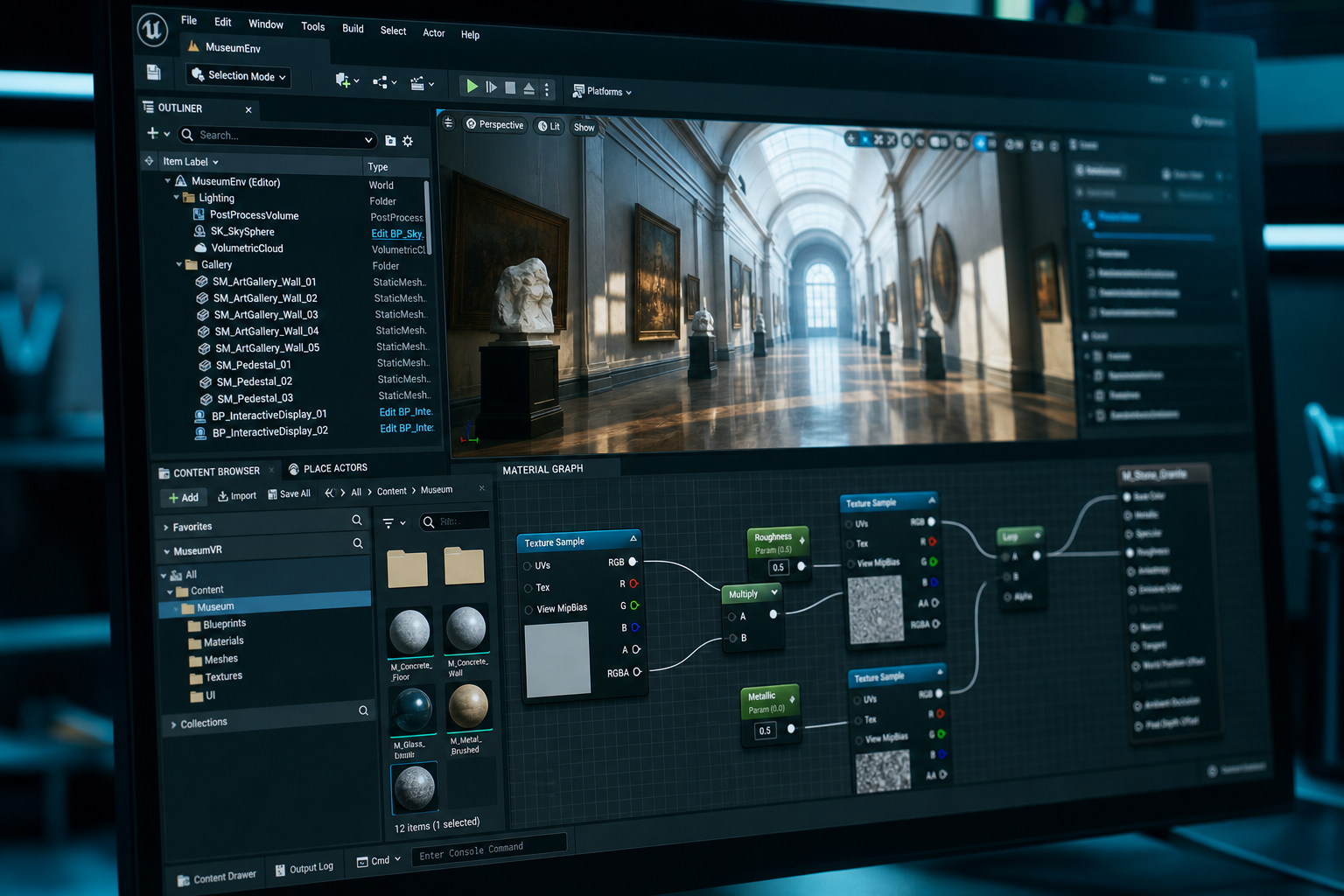
VR development environment showing museum scene graph and material nodes
DEV-ENV / MUSEUM SCENE — MATERIAL VALIDATION

Applied Methods for Every Stage of VR Development

Each service category represents a tested protocol designed around a specific client need, deployment environment and measurable outcome.

Full Method Library
Client Need
A museum, heritage institution or visitor attraction requires a custom virtual reality tour application built to production standard.
Applied Method
Full-cycle VR application development: spatial mapping, scene architecture, interaction design, performance optimisation and cross-device testing.
Deliverables
Standalone VR application, web-based version, iOS/Android companion app, technical documentation and deployment support.
Outcome
A validated, deployed VR experience that reliably serves visitors across headset, mobile and desktop platforms.
Explore This Protocol
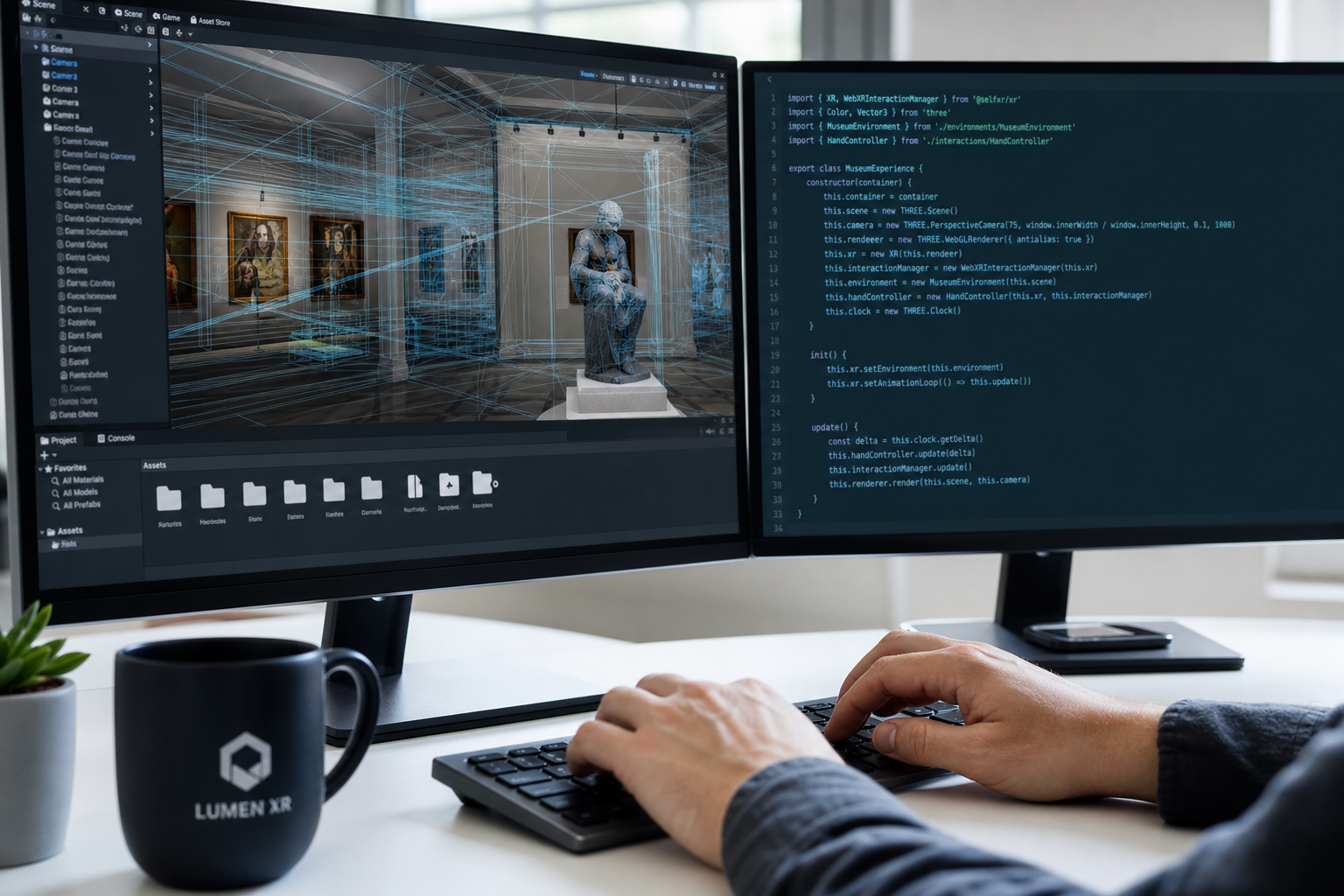
Developer building VR museum tour application on dual monitors
Client Need
An institution holds significant collection assets but lacks the spatial design, narrative structure and interactive content layer to make them engaging in VR.
Applied Method
Immersive content design: spatial narrative mapping, interaction scripting, audio guide production and object-level annotation layer design.
Deliverables
Full content architecture document, interaction scripts, audio files, annotation library and branded UI component set.
Outcome
Coherent, curator-approved content experience that communicates collection value and supports repeat engagement.
Explore This Protocol
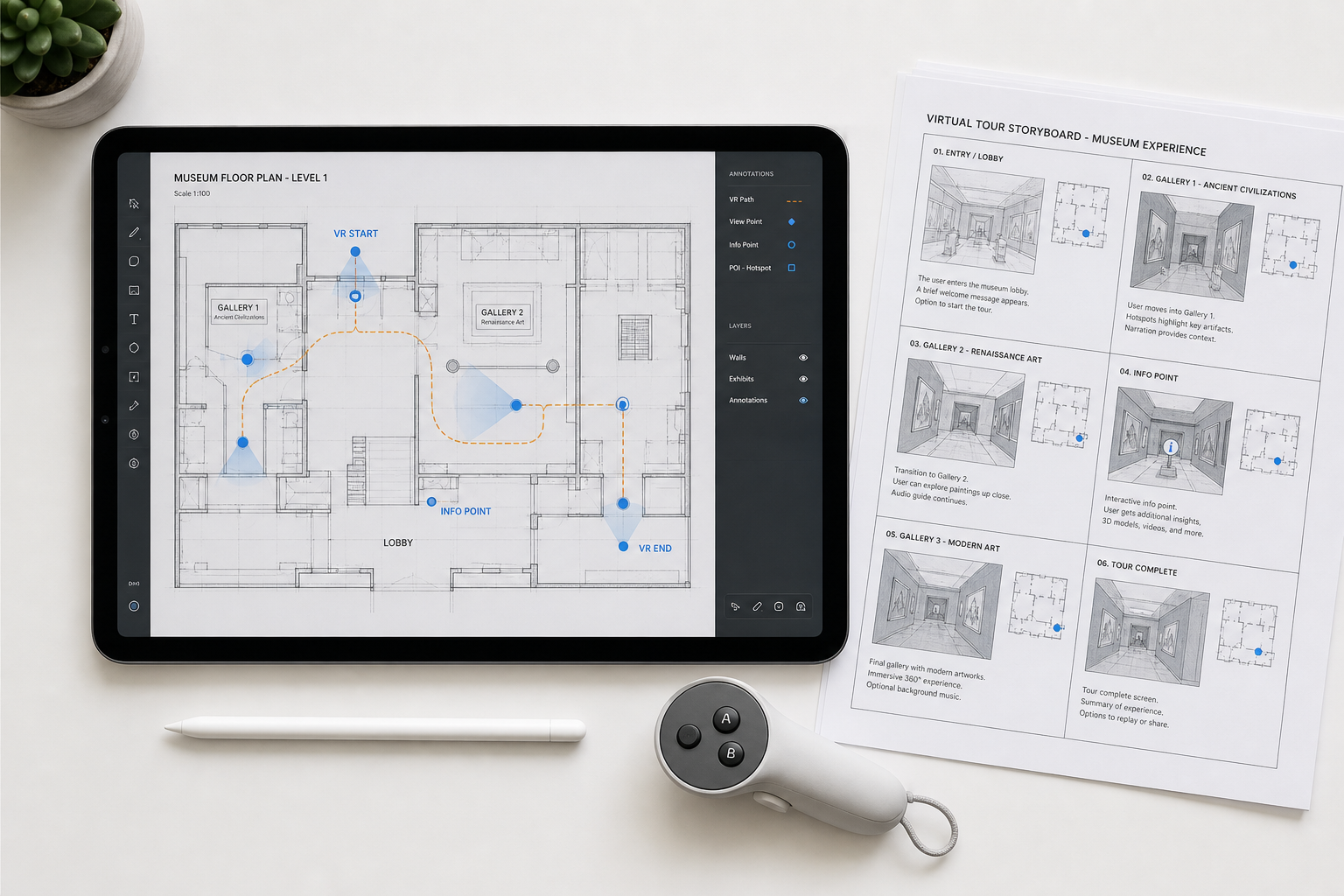
VR tour content design workspace with museum floor plans and storyboards
Client Need
An existing museum digital platform or ticketing system requires integration with new VR tour capabilities without disrupting current visitor workflows.
Applied Method
API-led platform integration, single sign-on configuration, CMS extension development and staff administration interface build.
Deliverables
Integrated platform with VR access controls, visitor analytics dashboard and content management tools for non-technical staff.
Outcome
Seamless visitor experience across physical and digital touchpoints with full operational control retained by the institution.
Explore This Protocol
Platform integration development environment
Client Need
A heritage site, archive or fragile collection requires high-fidelity digital documentation to support both preservation and public access.
Applied Method
Photogrammetric survey, LiDAR capture where required, 3D mesh processing and archival-grade output with metadata tagging.
Deliverables
High-resolution 3D models, photogrammetric archive files, VR-ready assets and accompanying documentation package.
Outcome
A permanent, accessible digital record that can support VR delivery, academic research and future restoration reference.
Explore This Protocol
Heritage building alongside its VR digital reconstruction
Client Need
An institution needs to understand how visitors navigate and engage within virtual environments in order to justify continued investment and guide future development.
Applied Method
In-experience telemetry integration, spatial heatmap generation, session tracking and structured reporting against defined engagement KPIs.
Deliverables
Analytics dashboard, monthly engagement reports, spatial behaviour maps and optimisation recommendations.
Outcome
Evidence-based understanding of visitor behaviour with clear data to support institutional reporting and future iteration.
Explore This Protocol
VR experience analytics and quality assurance testing environment

How We Take a Brief to a Deployed Experience

Our development sequence is documented, staged and client-visible at every point. No black-box development. No surprise deliverables. Every step has a defined input, a review moment and a confirmed output before we move forward.

STEP — 01
Receive the Brief
We review your submission, identify the core objectives and confirm whether your brief maps to a defined service protocol or requires a scoped custom engagement.
INTAKE
STEP — 02
Define the Variables
Site survey, content audit, hardware specification, access constraints, audience profiles and technical environment are documented and confirmed before build begins.
SCOPING
STEP — 03
Choose the Method
Technology stack selection, experience architecture, interaction model and narrative structure are agreed before development commences. No ambiguity at build start.
DESIGN
STEP — 04
Build the Experience
Iterative development sprints with structured client review cycles at each milestone. Progress is visible, feedback is incorporated systematically.
BUILD
STEP — 05
Test the Result
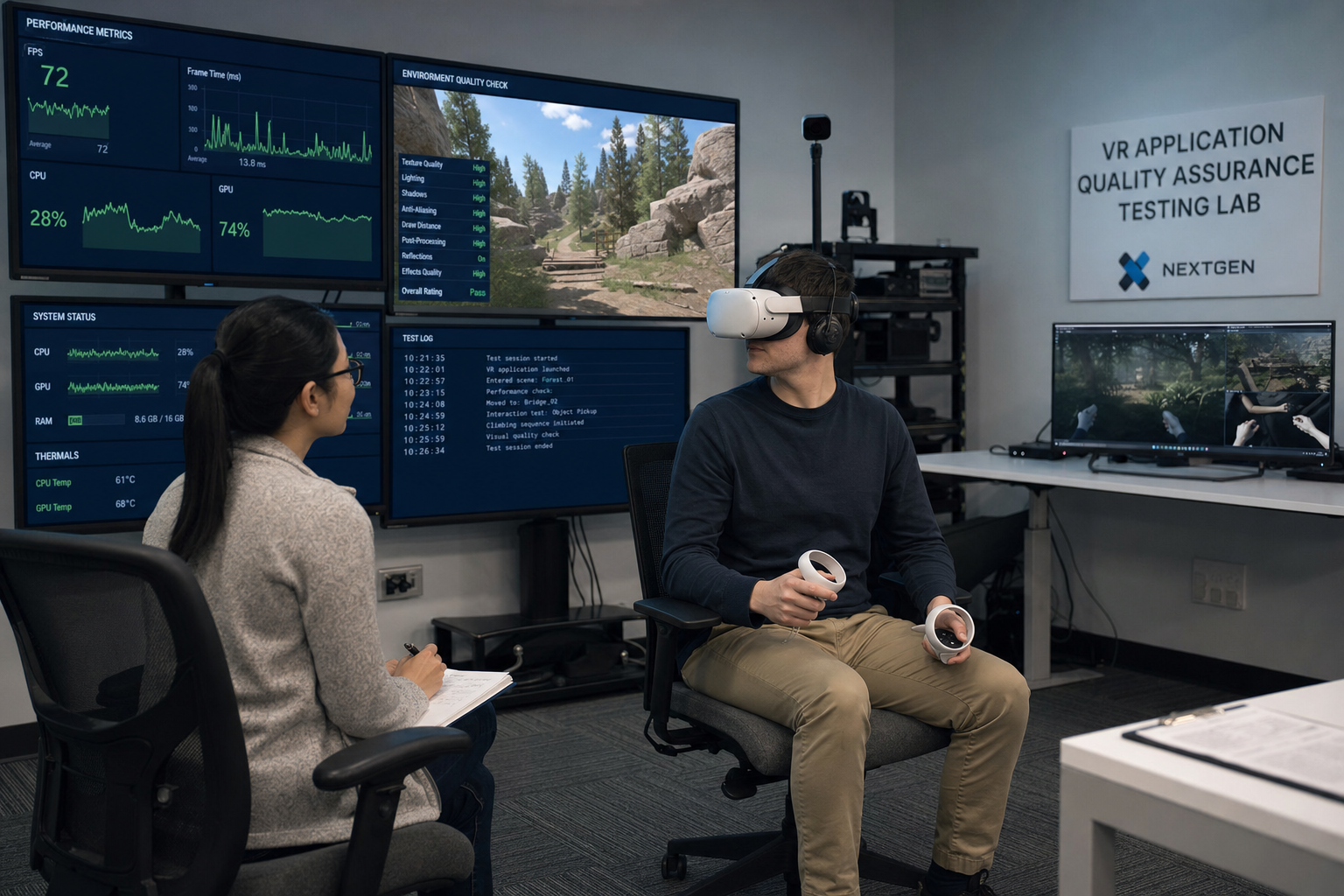
Cross-device QA testing, performance benchmarking, user acceptance testing and curator-led content review before any deployment decision.
QA
STEP — 06
Document the Outcome
Full deployment, analytics integration, staff training where required and complete technical documentation package handed over to the institution.
DELIVERY
STEP — 07
Support the Next Iteration
Post-launch analytics review, optimisation recommendations and support for future feature extensions or collection updates.
ITERATION
VR application quality assurance and testing process

Validated by Institutions Across the UK

Our results are measured against defined engagement metrics, not assumed. Every figure here corresponds to a deployed application and a documented outcome.

0+
VR Applications Deployed
0%
Client Retention Rate
0x
Avg. Engagement Uplift
0
Heritage Institutions Served
Documented Delivery
Every project is governed by a formal specification, a review schedule and a signed-off deliverables list. Nothing ships without client confirmation.
QA-Validated Builds
All applications pass through a structured QA cycle covering performance, cross-device compatibility, content accuracy and interaction reliability.
Iterative Development
We build in stages with defined review points, giving institutions full visibility into progress without requiring technical knowledge to evaluate the work.

Ready to Begin a New Experiment?

Tell us about your institution, collection or attraction. We will review your brief, identify the appropriate method and respond within two working days.

Response within 2 working days · Based in Tunbridge Wells, UK · No obligation consultation

Where to Find RUNIX DATA

We work with institutions across the United Kingdom and internationally. Our development team is based in Tunbridge Wells, Kent.

Email Address
PavanKumar@runixdata.guru
Telephone
+44 8760 6597
Address
63 Ladys Gift Road, Tunbridge Wells
Kent, TN4 0JT, United Kingdom
Go to Contact Page